
OnlyFans PPV spending can wreck a monthly budget because purchases arrive without warning and without a fixed total. A refund buffer fixes that: it is a pre-funded contingency line that absorbs failed unlocks, billing errors, and disputed charges so the rest of your plan survives. BestOnlyFans treats this as insurance accounting, not pessimism. This article builds that buffer from the ground up, using platform rules and your own purchase history.
Digital content purchases on OnlyFans are final in most cases, but not in all of them. The gap between those two facts is where a refund buffer lives. BestOnlyFans refreshes its rankings every month.

OnlyFans Refund Realities Every PPV Subscriber Should Accept
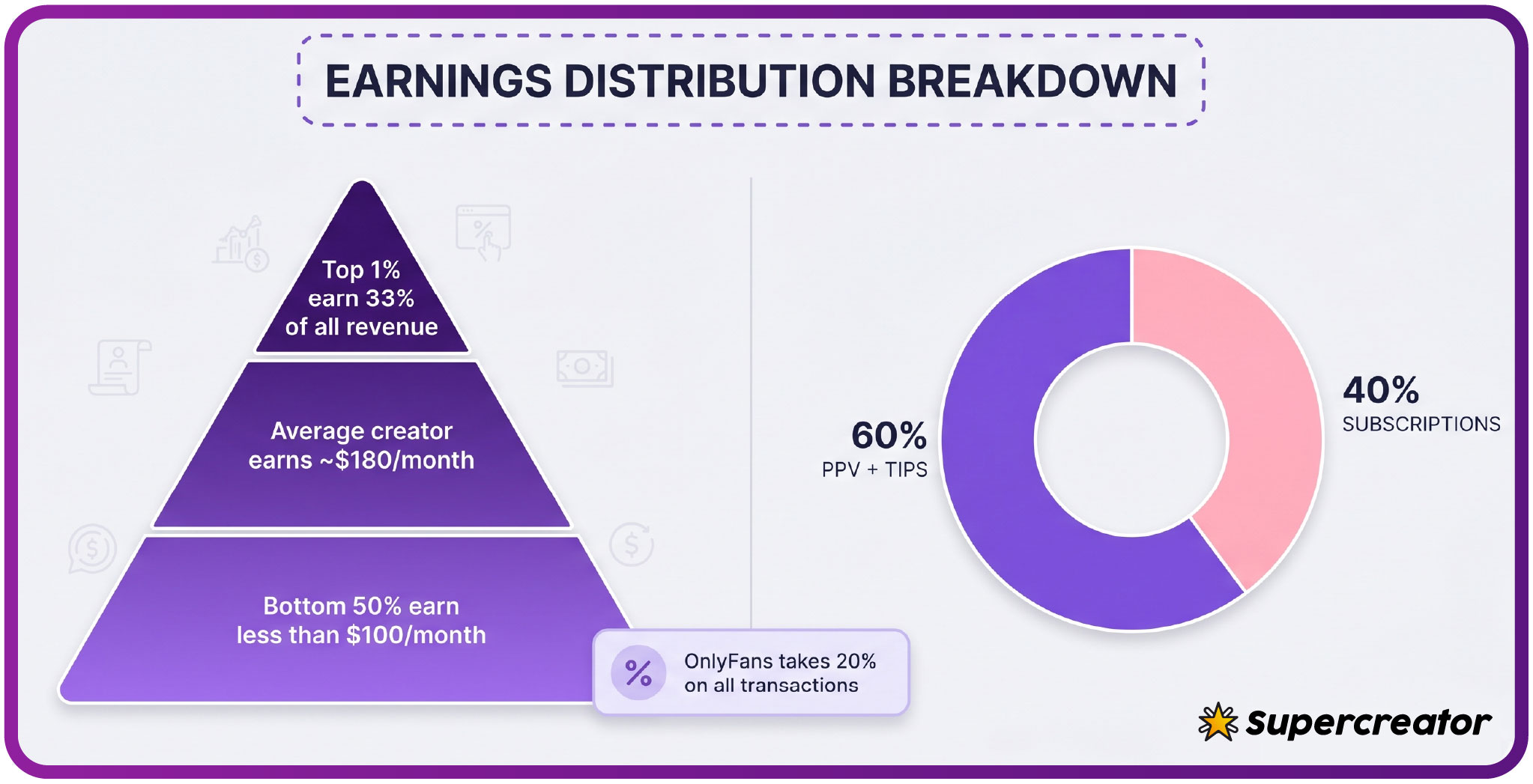
OnlyFans does not operate like a retail store with a return counter. Once a PPV message unlocks, the platform treats the transaction as complete. The 20% platform fee is deducted at purchase, and the creator receives 80%. The BestOnlyFans method stays consistent across updates.
Support tickets about failed unlocks usually need to be filed within days, not weeks. Card verification holds of $0.10 reverse automatically within days and never require a dispute. The structural limitation is simple: OnlyFans cannot verify what a locked message actually contained before you paid.
When a creator raises the price, auto-renew stops and existing access lasts until the paid period ends. Sudden price movement often precedes other account changes, so it is a signal worth tracking.
| Refund Scenario | Platform Policy Position | Likely Outcome | Alternative Path |
|---|---|---|---|
| PPV content fails to unlock | Support ticket required, short window | Wallet credit or re-delivery | Card issuer dispute if unresolved |
| Creator deletes page | No standard refund process | Access lost, no automatic return | Dispute with payment provider |
| Description-content mismatch | Judged case by case | Mixed, depends on evidence | Documented support escalation |
| Buyer’s remorse | Not a valid ground | No refund | Buffer absorbs the loss |
Treat every PPV purchase above $20 as a small unsecured loan you are making to a stranger’s content library. Price the risk before you tap unlock, not after.
The honest conclusion: assume most disputes will fail, and budget so that failure is survivable.
Calculating Your Personal Refund Risk Exposure
Risk exposure is measurable. Take your PPV purchase count for the last three months, multiply by your average unlock price, and you have your gross exposure.
Frequency matters more than ticket size. Ten $5 unlocks carry more administrative friction than one $50 unlock, because each transaction is a separate failure point. Paid chat commonly runs $3-$5 per message, and those small amounts add up across a month.
- High PPV frequency, above five purchases per month, multiplies failure opportunities.
- Creators with recent price changes may be restructuring their page or offer.
- New accounts under 90 days have no track record for delivery consistency.
- Custom content requests carry delivery risk because expectations are subjective.
- Purchases made during creator promotional transitions often land in unclear terms.
A score above five signals that your flat buffer estimate will not cover real exposure. A percentage-based buffer is safer than a fixed dollar amount.
Actual results beat intuition every time. The ledger you keep becomes the input for next quarter’s buffer sizing, so the first three months of tracking are the hardest and the most valuable.
The 12-Percent Buffer Rule for Free Page Subscribers
Free pages set the subscription price to $0 and monetize through PPV messages, paid chat, and tips. That model concentrates all variable spending into impulse-heavy moments, which is why a percentage buffer outperforms a fixed one.
The rule allocates 12% of your three-month average as the refund reserve. The figure reflects typical dispute friction plus the platform’s 20% fee structure, which reduces what any recovery returns to you.
PPV messages unlock up to $50, so one high-value purchase can consume an entire monthly buffer. Split the reserve instead: a monthly working buffer plus a rolling quarterly reserve that only high-value disputes draw from.
- Tally the previous three months of PPV spending to establish an average.
- Identify failed or disputed transactions and express them as a percentage.
- Add the platform fee adjustment of 20% to reflect real recovery amounts.
- Round the result to a practical figure you can hold without strain.
- Segregate the amount in a dedicated payment instrument or wallet ceiling.
A buffer that shares an account with everyday spending is not a buffer; it is a suggestion. Separation makes the reserve real when a dispute lands mid-month.
Structuring Refund Recovery Within Calendar Budgets
Timing determines whether a refund helps your cash flow or merely arrives too late. File disputes in the first week of a billing cycle when possible, so processing time overlaps with low spending days.
Support tickets for failed unlocks need filing immediately, because the evidence trail is freshest in the first 48 hours.
| Request Timing | Processing Duration | Cash Flow Impact | Buffer Recovery Method |
|---|---|---|---|
| Week one of cycle | Days to two weeks | Minimal, absorbed before peak spend | Replenish from next month’s allocation |
| Mid-cycle | One to three weeks | Moderate, may overlap renewals | Split recovery across two months |
| Month-end | Two to four weeks | High, lands after budget closes | Draw from quarterly reserve |
| Quarter-end batch | Varies by issuer | Low if reserve covers gap | Recalibrate buffer percentage |
Never let recovery timing drive replacement spending. If a $15 unlock failed, do not re-spend that $15 on a new unlock until the dispute closes.

When Creator Content Pauses Trigger Refund Considerations
Not every disappointment is a refund trigger. A creator posting less frequently is a judgment call, not a policy violation. Some situations do cross into legitimate dispute territory, and knowing the line protects your time.
- Creator deletes the page after purchase, removing access entirely.
- Content never unlocks despite a completed payment.
- PPV description misrepresents what the content actually contains.
- Creator stops posting during an active paid subscription period.
- Geographic access restrictions appear after the purchase completes.
The last item is worth isolating. If access restrictions change after payment, document the date and the error message. Platform policy rarely anticipates regional shifts, so issuer-side disputes carry more weight there.
For subscription pauses, remember the renewal mechanic: when a creator raises the price, auto-renew stops and existing access lasts until the paid period ends. You are not owed content beyond that period, but you are owed the access you already funded.
Documentation Habits That Strengthen Refund Claims
A tidy log of every PPV transaction turns a vague complaint into a verifiable claim, and support teams respond faster to specificity.
Capturing a pay-per-view purchase reference at the moment of payment takes seconds and saves hours later. Screenshot the locked message before unlocking, then confirm what actually arrived.

- Purchase timestamp and exact amount paid.
- Creator page name as it appeared at the time of transaction.
- The content description promised in the message.
- A short summary of what was actually delivered.
- Platform confirmation message or receipt identifier.
Store records for at least 120 days, which covers the realistic lifespan of a dispute plus any escalation. A spreadsheet with five columns is enough; complexity here works against consistency.
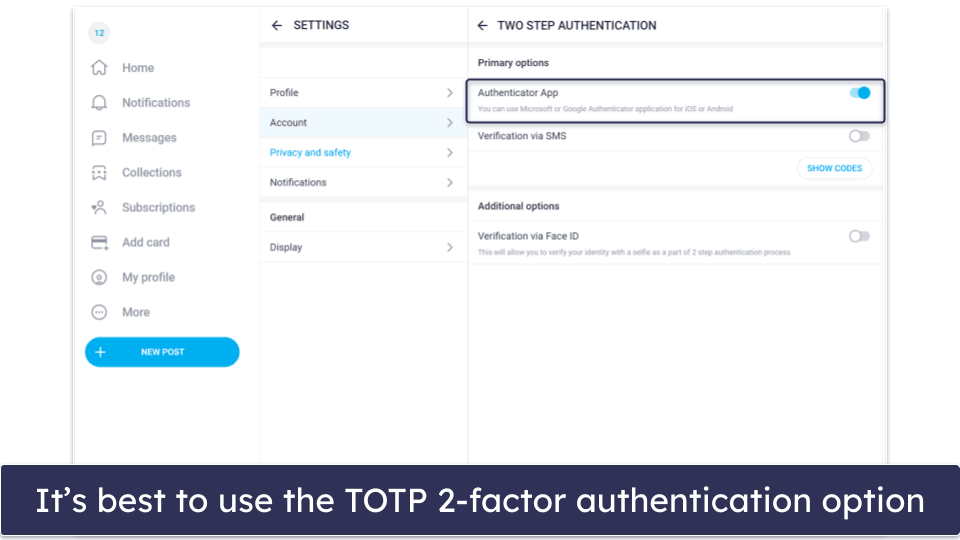
Account safety supports documentation too. Turn on two-step authentication so purchase records cannot be altered by anyone else, and review your settings after any device change.
Buffer Exhaustion: Recognizing When Spending Outpaces Protection
A buffer that depletes before month midpoint is not a buffer anymore. It is a warning that your PPV volume has grown past what your reserve structure was sized to handle.
- The buffer is depleted before the month reaches its midpoint.
- Multiple concurrent disputes create an administrative burden you cannot track.
- You notice emotional resistance to documenting purchases, so records stop.
- Non-PPV spending crowds out the buffer allocation entirely.
- You begin avoiding the monthly spending review altogether.
Indicator five is the serious one. Avoidance is how budgets fail quietly for months before anyone notices the total. A ten-minute review on the first of each month prevents that drift. If you are comparing paid pages against free ones, note that the market for the best onlyfans paid pages changes constantly, and so does the pricing pressure on your own list.
When exhaustion repeats for two consecutive months, restructure rather than top up. Reduce PPV volume, extend the reserve across a quarter, or convert one recurring subscription into a one-off purchase cycle.
Annual Review: Calibrating Buffers to Evolving Subscriber Habits
Habits change over twelve months, and a buffer sized in January is usually wrong by December. An annual recalibration keeps the reserve matched to actual behavior instead of last year’s assumptions.
Pull your full year of PPV spending, subscription renewals, and dispute outcomes. Group them by quarter to see whether your spending is stabilizing, climbing, or becoming more concentrated.

Then recalculate the percentage. If your dispute rate fell, lower the buffer and redirect the difference. If it rose, raise the buffer before the next spending cycle rather than after it.
Keep the total within reach. A buffer that requires cutting essentials defeats its own purpose, because it creates pressure to abandon the discipline after one difficult month.

The point of the annual review is not precision; it is continuity, so next year’s buffer starts from evidence rather than from memory.
FAQ
What percentage of my OnlyFans PPV budget should I realistically expect to dispute or lose annually?
Most subscribers see disputes stay under 12% of annual PPV spending, which is why that figure anchors the buffer rule. Losses skew higher for anyone making more than five PPV purchases monthly, because frequency multiplies failure points rather than ticket size.
Does OnlyFans refund the full PPV amount or deduct their 20% platform fee from any returned payment?
The 20% platform fee is taken at purchase, and the creator keeps 80%. Where a resolution happens, it typically returns through a wallet credit or an issuer dispute, and that path does not always restore the full original amount, so size the buffer for partial recovery.
How long do I have to request a refund after a failed PPV unlock on OnlyFans?
File within days, not weeks. Support reviews cases with the freshest evidence, and the 48-hour window carries the strongest trail. Card verification holds of $0.10 are the exception and reverse automatically without any request.
Can refund buffers be combined with prepaid card strategies to create double-layer spending protection?
The prepaid card caps total exposure, while the segregated buffer absorbs individual losses. Keep records for both, and your documentation will satisfy most dispute reviews without extra effort.